Green Bedroom Design Ideas: Shades, Furniture, and Styling
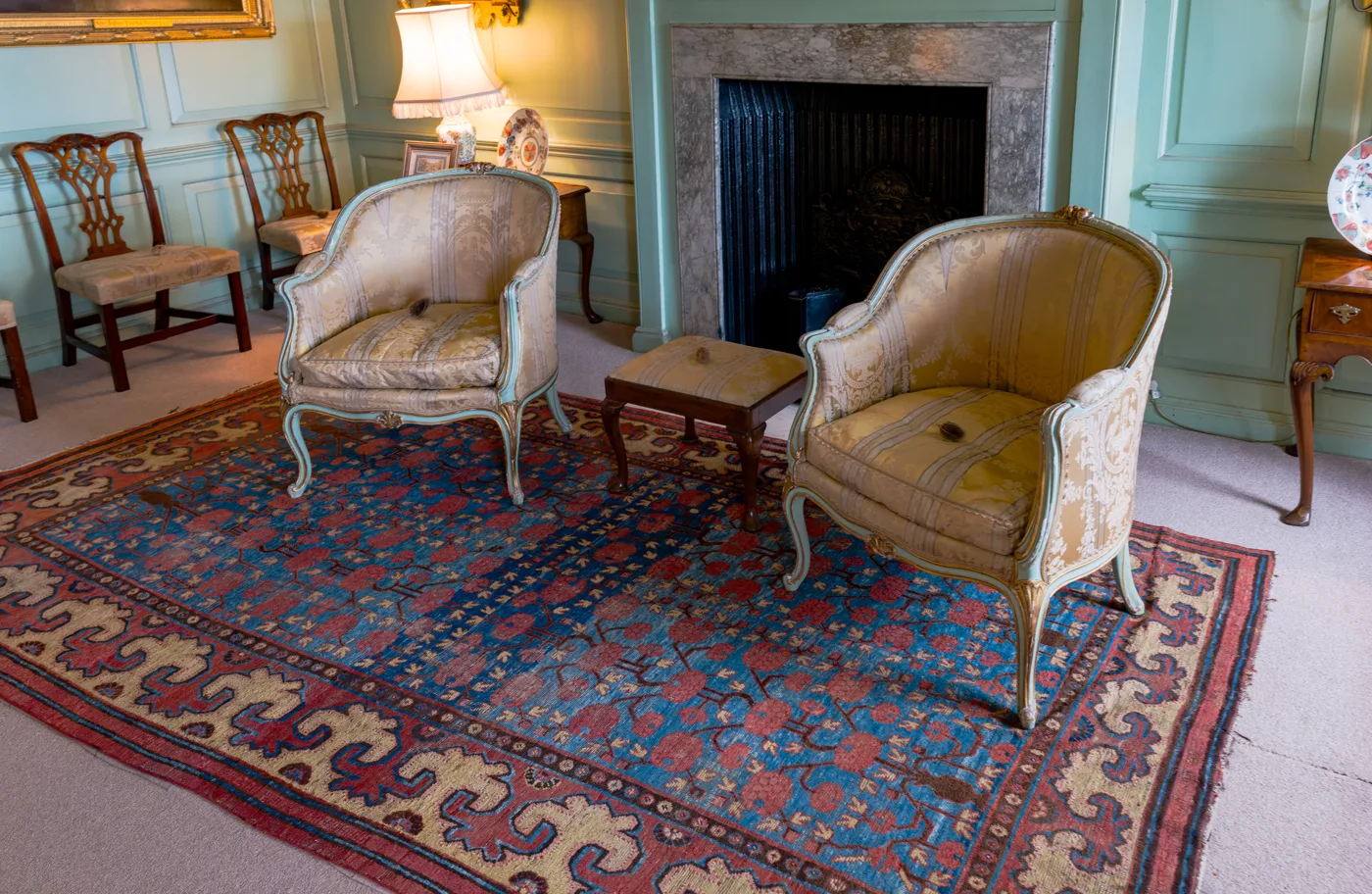
Green is the colour interior designers keep reaching for in the bedroom, and it is easy to see why. These green bedroom design ideas lean on a shade that reads as restful rather than loud, flatters natural wood and warm metals, and sits comfortably in both a period London home and a new-build flat. Done well, a green bedroom feels grounded and quietly considered; done carelessly, it can tip into dark and heavy. The difference is almost always in the shade you pick and the materials you put next to it.
This guide covers the green shades worth using, how to pair furniture, bedding and metals with them, and the styling choices that keep a green room feeling calm for years rather than dated in a season.
Pick the right green first
Green covers an enormous range, and the shade sets the entire mood of the room:
- Sage is the safe, designer-favourite choice: a soft, grey-tinged green that feels calm and pairs with almost anything. It is the shade to reach for if you want green without commitment.
- Olive and muted moss are warmer and earthier, and they read as more grown-up and enveloping. They suit a room you want to feel cocooning.
- Forest and deep bottle green are dramatic and best used with confidence, either wrapped around the whole room or concentrated behind the bed.
If you are nervous, start with sage on the walls and bring the deeper greens in through textiles. Test any shade on a board and view it morning and evening, because green shifts more than most colours between daylight and lamplight.
Where to put the green
You do not have to paint four walls to get the effect. The most successful green bedrooms usually concentrate the colour:
- A painted feature wall or panelling behind the bed frames an upholstered or rattan headboard and gives the room a focal point without darkening it.
- Full-wrap colour, including the ceiling in a softer tint, suits smaller rooms surprisingly well; the lack of a hard edge makes the space feel considered rather than cramped.
- Half-height panelling in olive or sage, with a paler wall above, is a classic period-home move that adds architecture as well as colour.
Furniture and materials that flatter green
Green comes alive next to natural materials. Warm wood, oak, walnut and pale ash, is the natural partner, and green makes the grain look richer than a neutral wall would. Rattan and cane headboards, woven baskets and knitted throws add the tactile warmth that stops a green room feeling flat. If you like the idea of warm timber running through the home, our oak kitchen cabinets guide shows how the same wood tones work elsewhere.
For metals, brass and aged gold are the obvious winners, lending a soft glow to lamps, handles and picture frames. Matt black works too, sharpening the look for a more contemporary room. Avoid cool chrome against a warm olive; the temperatures fight.
Bedding and layering
The bedding is where you control how bold the room feels:
- A sage duvet with crisp white sheets is the classic, easy combination and keeps things light.
- Cream and green together is the pairing designers keep returning to; the warmth of cream softens the green and reads as timeless.
- Green with soft grey is the calmer, more muted option for anyone tired of louder schemes.
- For depth, layer tonal greens, a deep velvet throw over a lighter duvet, so the colour has richness rather than sitting as a single flat block.
Add pattern sparingly through cushions or a gingham or striped accent, and keep the larger pieces plain so the room stays restful.
Finishing touches
Real plants are the natural last layer in a green room; a monstera, a snake plant or trailing ivy echo the palette and bring life to the corners. Keep artwork simple and warm-framed, choose lamp light over harsh overheads, and let a few natural textures, linen, wool, timber, do the rest. For a broader palette across the home, our grey kitchen ideas show how the same calm, muted approach translates to other rooms.
If you want to explore specific greens by name, paint manufacturers such as Farrow & Ball publish their full green ranges with real-room photography, which is the best way to judge an undertone before you buy a tester.
A few schemes that always work
- Sage panelling behind a rattan headboard, oak furniture, brass lamps, cream bedding: the calm, grounded classic.
- Olive full-wrap walls, walnut bedside tables, black accents, tonal green textiles: cocooning and grown-up.
- Forest feature wall, white bedding, brass and glass, one large plant: dramatic without going dark everywhere.
Frequently asked questions
Is green a good colour for a bedroom? Yes. Green is one of the most restful colours to live with, which makes it well suited to a bedroom. Softer shades like sage feel calm and easy, while deeper greens create a cocooning, enveloping mood.
What colours go with a green bedroom? Cream and warm neutrals are the timeless partners, softening the green and keeping it light. Soft grey gives a calmer, more muted scheme, while brass and aged gold add warmth. Natural wood tones flatter green better than anything.
What shade of green is best for a small bedroom? Sage or a soft muted green works best in a small room because it stays light and calm. Wrapping the walls and ceiling in a single soft green can actually make a small room feel considered rather than boxed in, as there is no hard line to break up the space.
Should I paint all four walls green or just one? Either works. A single painted or panelled wall behind the bed gives a focal point while keeping the room light. Full-wrap colour suits smaller rooms and deeper, cocooning schemes. If in doubt, start with one wall and build the rest of the green in through textiles.
Does a green bedroom date quickly? Not if you choose a muted shade like sage or olive and keep the larger furniture and bedding neutral. Trend-led bright greens can date; soft, natural greens paired with wood and cream have been used in interiors for generations.
The Folio
Want more like this in your inbox?
One considered idea for your London home, every Thursday.
SubscribeMore from KDS London
All guides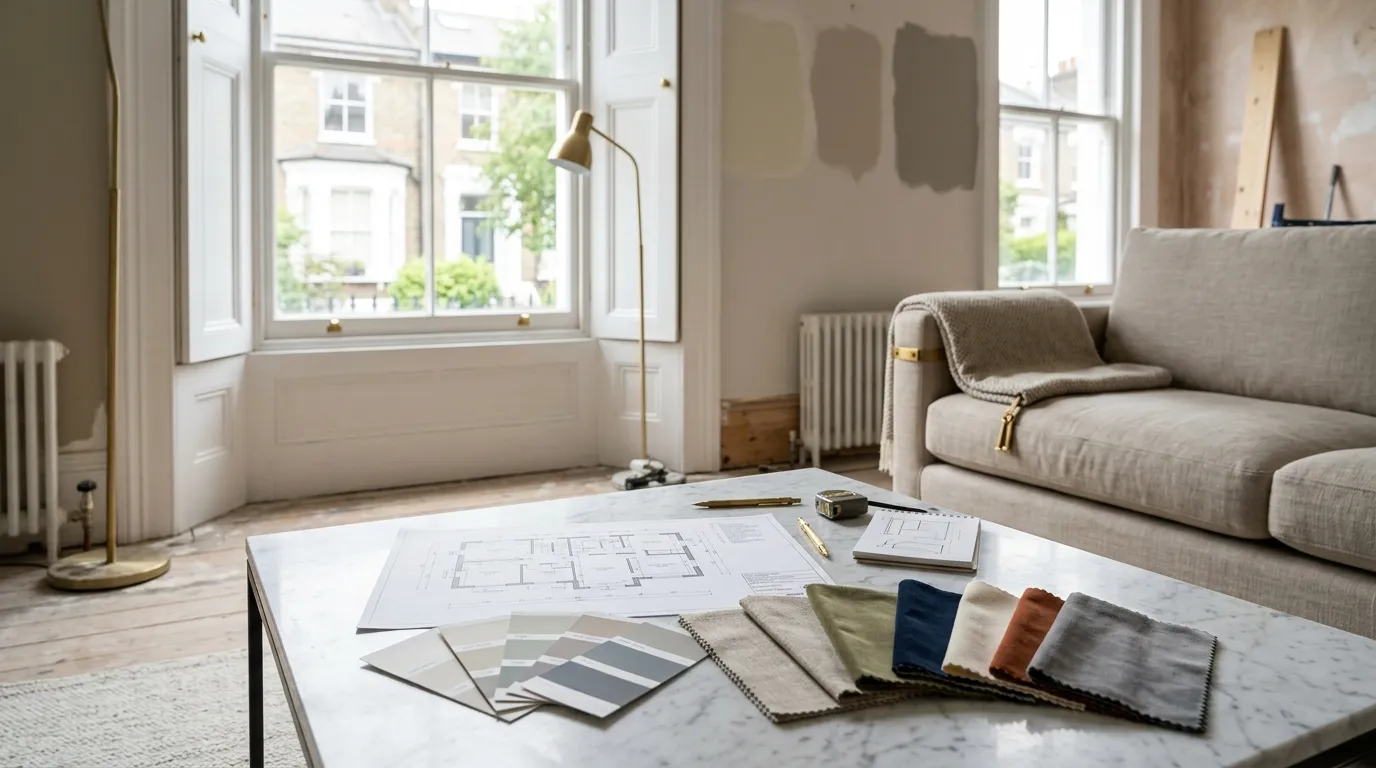
How Much Does an Interior Designer Cost in London in 2026?
What interior designers charge in London in 2026: hourly rates, day rates, per-room fees and percentage models, with real figures and what each one buys you.
Read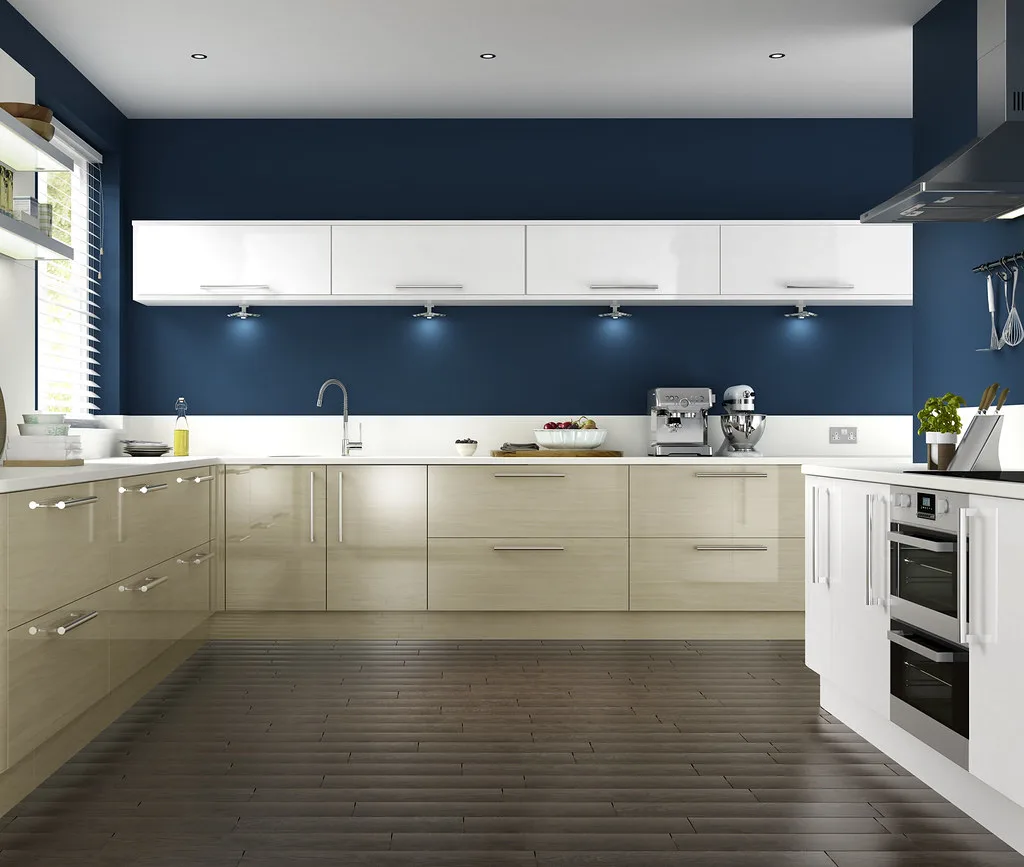
Navy Kitchen Ideas: Blue, Teal and Cobalt Cabinet Designs
Navy kitchen ideas that work: the best blue cabinet shades, worktop and hardware pairings, and how to use navy, teal and cobalt without dating the room.
Read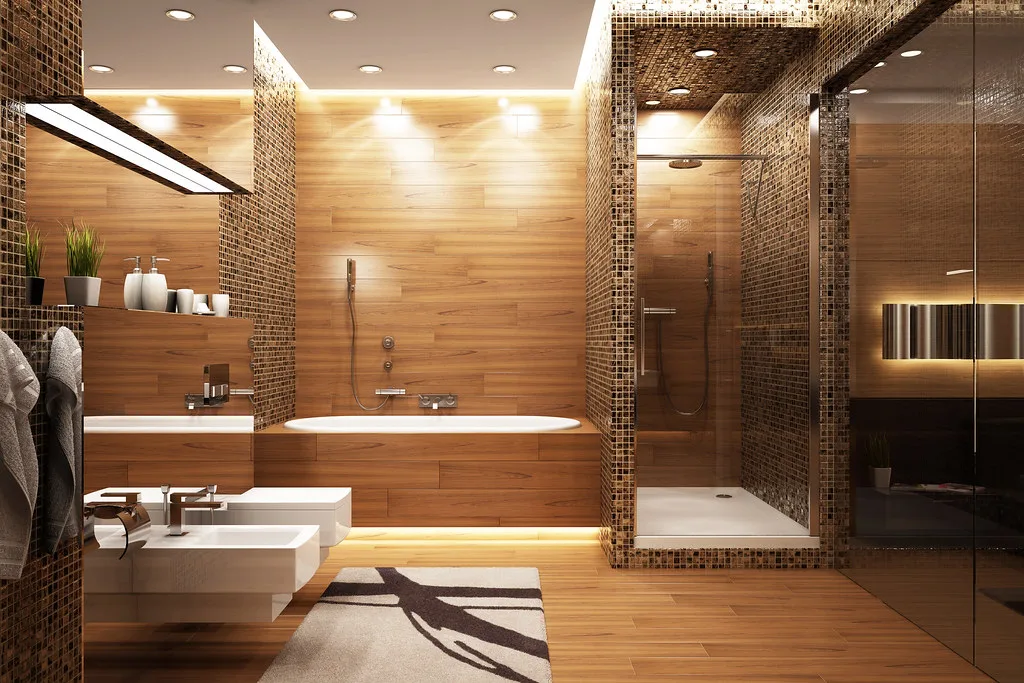
Gold and Brass Bathroom Accessories: How to Style Warm Metallics
How to choose and style gold bathroom accessories and brass fittings, from brushed vs polished finishes to mixing metals and avoiding tarnish.
Read