How Much Does an Interior Designer Cost in London in 2026?
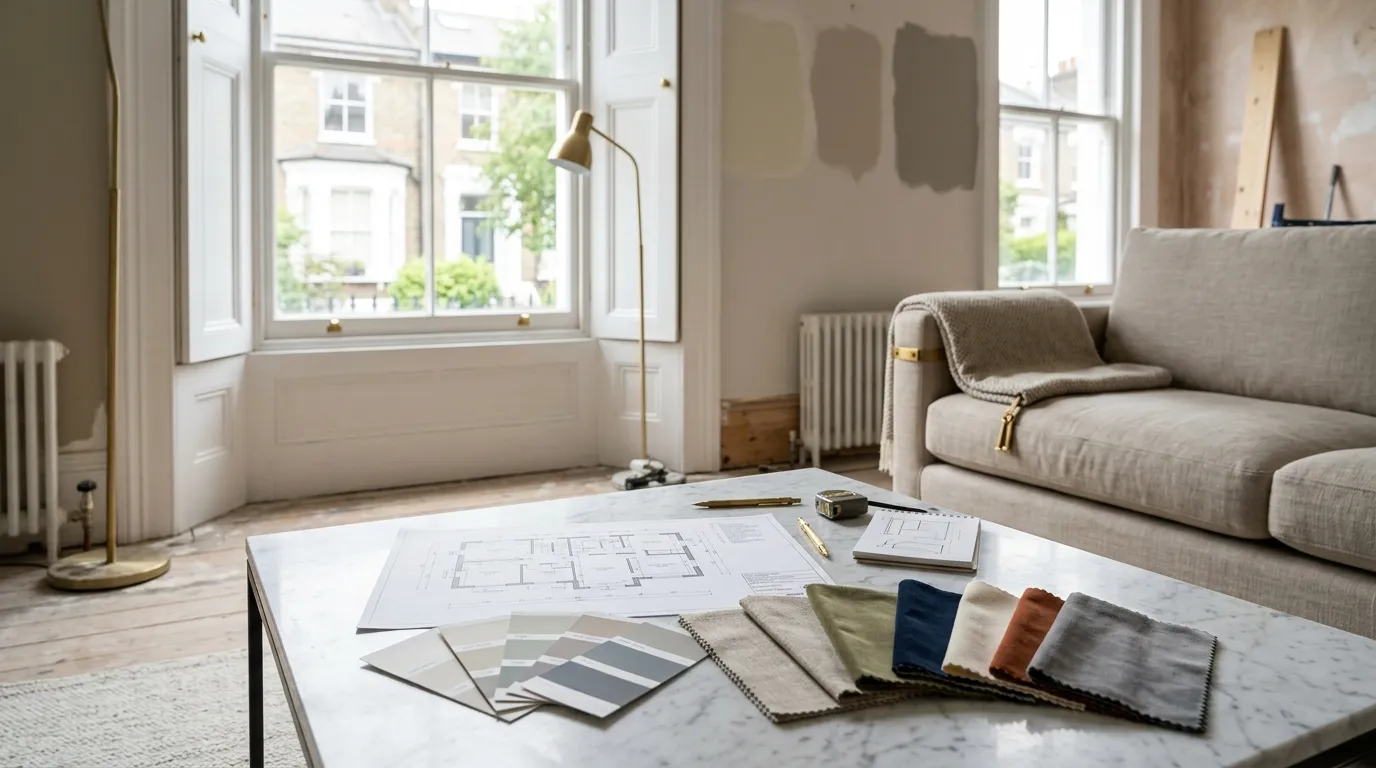
Hiring an interior designer in London costs more than it does anywhere else in the UK, and the figure you pay depends almost entirely on which fee model your designer uses. Two studios can quote wildly different numbers for the same flat and both can be fair: one is charging by the hour, the other a percentage of your build cost. This guide breaks down every charging method you are likely to meet in 2026, what each one buys you, and what to budget for a typical London project.
All the figures below are design fees. They do not include furniture, lighting, materials, joinery or builders. Those are separate, and on most projects they dwarf the fee.
The five ways London designers charge
The British Institute of Interior Design (BIID), the UK’s professional institute for interior designers, surveyed its members on pricing and found that just over half use a combination of methods rather than a single flat charge. So in practice you will often see a blend, for example a fixed design fee plus a percentage on procurement. Here are the five building blocks.
Hourly rate
This is the simplest model, used most for smaller jobs or one-off advice. Across the UK, hourly rates sit roughly between £25 and £150 depending on experience and location. London is the top end of that and then some. Established London designers commonly charge between £180 and £450 per hour, with the very top reserved for senior names working on complex bespoke schemes.
Hourly works well when you only need a designer for part of a project, say to sort out a difficult kitchen layout or pick a paint scheme. It gets expensive on a full renovation, though, because the clock runs through every site visit, supplier call and revision.
Day rate
A “designer for a day” package gives you a fixed block of time, usually for layout, colour and material decisions, without committing to a full project. Day rates in the UK typically run from around £500 to £1,200 for roughly seven to eight hours of work. In central London expect to be at or above the upper end. This suits you if you have a clear idea of what you want and need an expert eye for a day, not full project management.
Fixed fee per room
For residential work, the most common transparent model is a flat fee per room. Remote and online packages start lower because there is no site visit involved. As a guide for 2026:
- Online or e-design packages: from roughly £159 at the budget end up to £695 or more per room, depending on the studio and how much bespoke support and drawing work is included
- Full-service single room (in person): £800 to £3,000 or more, with kitchens and bathrooms at the top because of the technical detail involved
A fixed fee is easy to budget against because you know the number before you start. The trade-off is that the scope is tightly defined, so extra revisions or added rooms cost more.
Percentage of project cost
On larger renovations, many designers charge a percentage of the total construction and furnishing budget. The BIID’s research found that among designers using this model, a fee of 6 to 10 percent was the most common band, though a meaningful share charge more than 16 percent. In London, where projects are bigger and more involved, percentage fees commonly land between 10 and 25 percent of the overall project value.
The logic is that the designer’s workload scales with the project: a £200,000 renovation needs far more drawings, supplier coordination and site supervision than a £40,000 one. The thing to watch is the incentive, because a percentage fee rises as you spend more, so a good designer will be upfront about how they keep that fair.
Combination and cost-plus
In reality most full London projects use a mix: a fixed design fee for the concept and drawings, then a percentage or a “cost-plus” markup on furniture and materials they buy on your behalf. Cost-plus means the designer buys at trade prices and adds an agreed margin. Done honestly, you can still come out ahead because trade discounts often offset the markup. Ask exactly how procurement is charged before you sign, because this is where the biggest variation in final cost hides.
What a whole London project costs
For a complete home, design fees in London generally run from around £5,000 for a modest flat up to £20,000 or well beyond for a large house with bespoke joinery and detailed project management.
The design fee is rarely the main expense. A full home renovation in London costs roughly £800 to £3,500 per square metre in 2026, depending on specification:
- Light refresh (redecoration, flooring, fixtures): around £800 to £1,200 per square metre
- Mid-range (new systems, some layout changes, good finishes): around £1,200 to £1,800 per square metre
- High-end (structural work, premium materials, bespoke design): around £1,800 to £2,500 per square metre
- Luxury and heritage restoration: £2,500 to £3,500 or more per square metre
For a typical three-bedroom house of around 110 square metres, that points to a total build budget of roughly £88,000 to £275,000. The designer’s fee is usually a single-digit to low-double-digit percentage of that, which is why arguing over the fee while ignoring the build spec is a false economy.
Why London costs more
London rates run consistently 25 to 40 percent above the national average, and the reasons are practical. Labour and trade costs are higher across the capital, designers carry higher overheads, and London homes bring their own complications: conservation areas, listed building consent, leasehold restrictions, party wall agreements and tight access for deliveries. A designer who knows the local boroughs, planning quirks and reliable trades is managing risk you would otherwise carry yourself.
If you are still weighing up whether the spend is justified at all, our guide on whether you need an interior designer in London walks through the projects where it pays off and the ones where it does not.
How to keep the cost under control
- Match the model to the job. Pay hourly or take a day rate for advice and small jobs; use fixed fees or a percentage for full renovations. Paying hourly for a six-month project is how budgets run away.
- Get the scope in writing. The quote should state exactly what is included: number of rooms, how many revisions, whether site visits and project management are covered, and how procurement is charged.
- Ask about procurement markup directly. This is the single biggest swing factor in your final bill. Understand whether you are paying cost-plus, a flat fee, or both.
- Check qualifications. Membership of a recognised body such as the BIID signals the designer works to professional standards, though plenty of excellent designers operate independently too.
- Budget the fee as part of the whole. Decide your total project spend first, then treat the design fee as a slice of it, not a separate negotiation.
The bottom line
In London in 2026, expect hourly rates of roughly £180 to £450, day rates from about £500 to £1,200, single-room design from £800 to £3,000 or more, and full-home design fees from around £5,000 to £20,000 and up. Percentage fees on larger jobs typically run 10 to 25 percent of the project value. The right number depends less on the cheapest quote and more on matching the model to the size and complexity of what you are building. Get the scope and procurement terms clear in writing, and the fee stops being a mystery.
Frequently asked questions
Is it cheaper to hire an interior designer by the hour or for a fixed fee? For small or one-off jobs, hourly or a day rate is usually cheaper because you only pay for the time you need. For a full renovation, a fixed fee or a percentage almost always works out better and is far more predictable, since an hourly clock running across months becomes hard to control.
Do interior designers save you money overall? They can. Designers buy furniture and materials at trade prices, often sharing the discount, and a good one prevents expensive mistakes such as a layout that has to be redone or finishes that do not last. On larger projects those savings frequently offset a meaningful part of the fee.
What is the difference between a percentage fee and cost-plus? A percentage fee is a set share of your total project value, charged for the designer’s overall work. Cost-plus applies specifically to items the designer buys for you: they purchase at trade price and add an agreed margin. Many London projects use both, so always ask how each part is calculated.
How much should I budget for design fees on a London flat renovation? For a single room, budget £800 to £3,000 for full-service in-person design. For a whole flat, design fees commonly start around £5,000 and rise with size and complexity. Remember this is the design fee only, and the build and furnishings will typically be the much larger share of your total spend.
Why are London interior designers more expensive than elsewhere in the UK? London rates sit roughly 25 to 40 percent above the national average because of higher labour and overhead costs and the added complexity of city projects, including conservation areas, listed buildings, leasehold rules and difficult access. A local designer is also managing planning and trade relationships specific to the capital.
Do I pay the designer’s fee separately from the building work? Usually yes. The design fee, the builder’s costs, and the furniture and materials are typically three separate budgets. Some designers fold procurement into their fee through a percentage or cost-plus arrangement, so confirm at the outset exactly which costs the quoted fee does and does not cover.
Sources
The Folio
Want more like this in your inbox?
One considered idea for your London home, every Thursday.
SubscribeMore from KDS London
All guides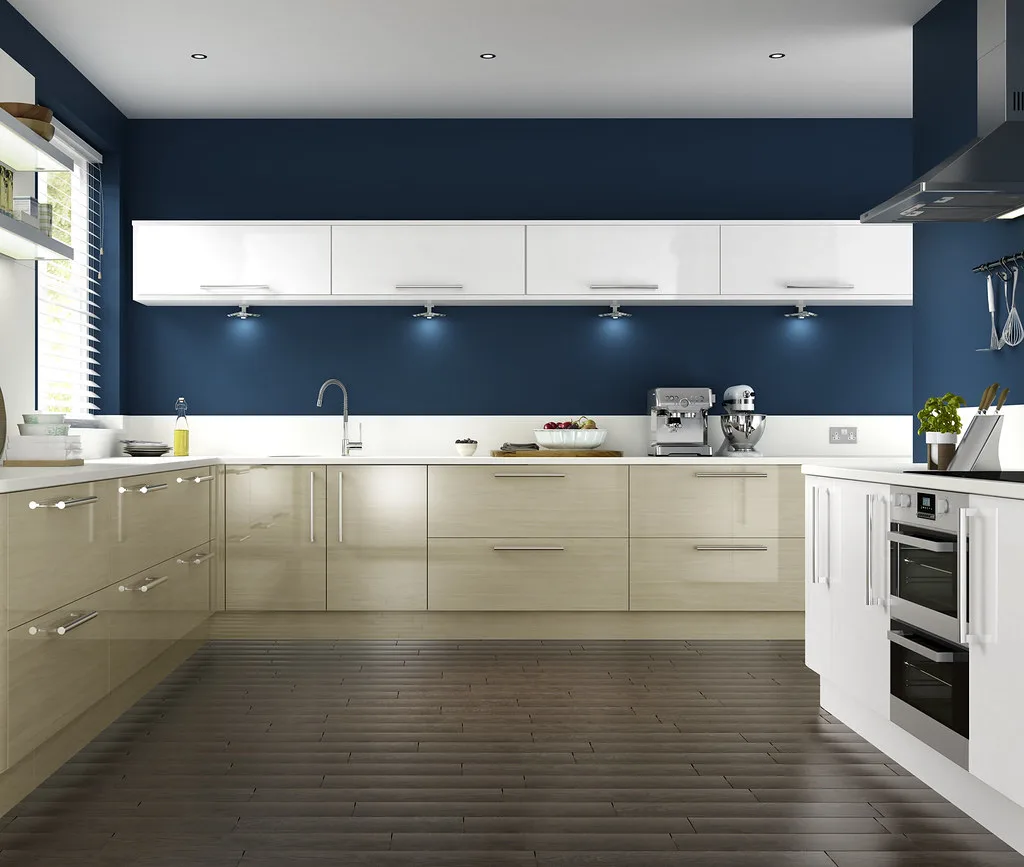
Navy Kitchen Ideas: Blue, Teal and Cobalt Cabinet Designs
Navy kitchen ideas that work: the best blue cabinet shades, worktop and hardware pairings, and how to use navy, teal and cobalt without dating the room.
Read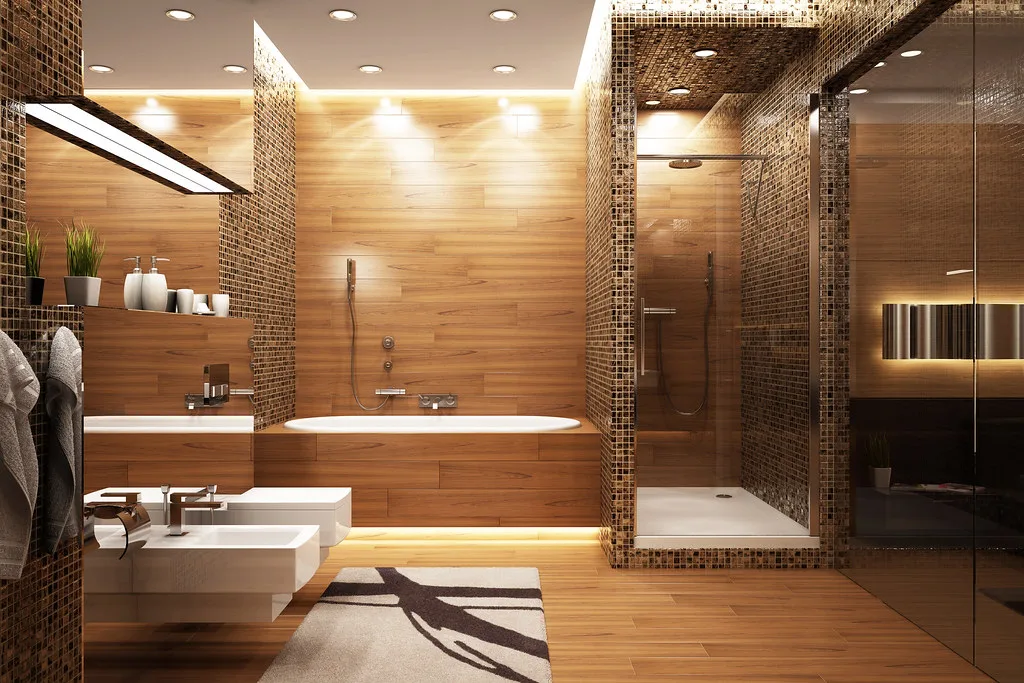
Gold and Brass Bathroom Accessories: How to Style Warm Metallics
How to choose and style gold bathroom accessories and brass fittings, from brushed vs polished finishes to mixing metals and avoiding tarnish.
Read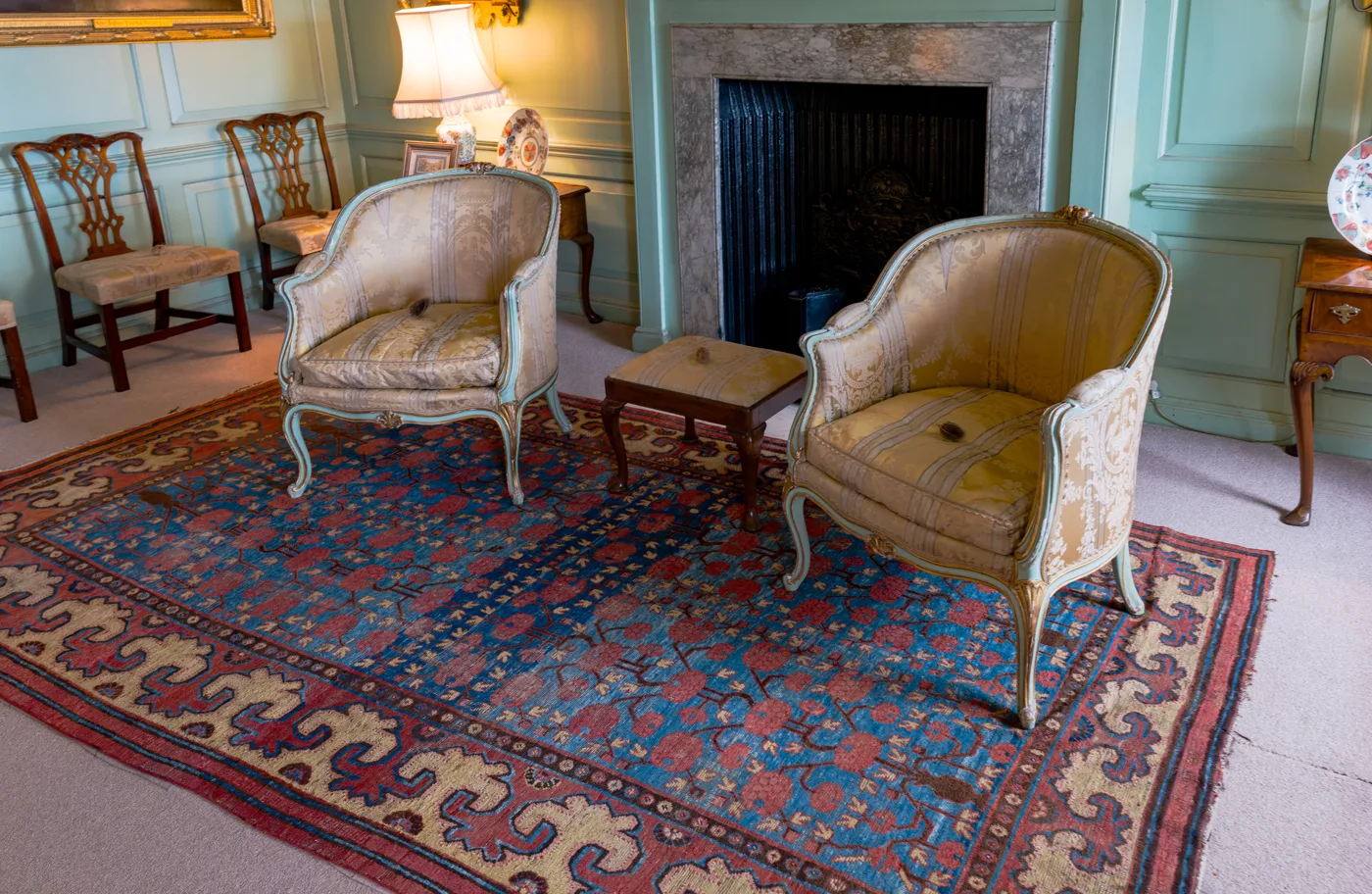
Green Bedroom Design Ideas: Shades, Furniture, and Styling
Green bedroom design ideas for a calm, grounded room: choosing sage, olive or forest shades, pairing furniture and metals, and styling green that lasts.
Read