Interior Designer Fees Explained: Hourly, Per Square Metre, and Percentage Models
Ask three interior designers in London how they charge and you can get three completely different answers. One quotes an hourly rate, one wants a percentage of your build budget, and one offers a fixed package per room. None of them is wrong. Each model suits a different kind of project, and the one a designer prefers tells you a lot about how they work.
This guide breaks down the five fee structures you will actually meet in the UK, the real numbers attached to each, and how to read a quote so you know what you are paying for. Figures lean towards London and Greater London, where rates sit noticeably above the national average.
The five ways UK interior designers charge
According to the British Institute of Interior Design, the professional body that sets standards for the industry, designers price work in five broad ways: a fixed fee, an hourly rate, a daily rate, a percentage of total project costs, or a combination of these. In the BIID’s own member survey, just over half of designers reported using more than one method at once, so do not expect every quote to fit neatly into one box.
Here is what each model means in practice.
Hourly rate
You pay for the designer’s time, billed by the hour. This suits smaller jobs, one-off consultations, and projects where the scope is hard to pin down at the start.
Across the UK, hourly rates run from roughly £50 to £200. London changes the picture sharply. Experienced London designers can charge between £180 and £450 per hour, and some bill £450 just for an initial consultation. The BIID’s survey found that 59 per cent of practices charged up to £75 an hour for their most senior designer, with the remaining 41 per cent between £76 and £150, well below the top of the London market.
Best for: consultations, advice sessions, single rooms, and clients who want to keep tight control of spend.
Watch for: open-ended bills. Ask for an estimated number of hours and a cap, and get it in writing.
Day rate
Some designers prefer to quote by the day rather than the hour, particularly for site visits, sourcing trips, and supplier meetings. Expect to pay roughly £350 to £900 per day in the UK depending on experience. A day rate is really just an hourly rate bundled up, so the same questions apply: what counts as a day, and what happens if the work overruns.
Best for: projects with chunks of concentrated work, like a full day of furniture sourcing or a site survey.
Per room or fixed-fee package
A flat fee for a defined piece of work. You agree the deliverables up front (a mood board, a furniture plan, a lighting layout, paint and fabric selections) and pay a set price regardless of how long it takes the designer.
This is the most common model for residential design-only work. Typical UK ranges look like this:
- Online or remote room packages: from around £395 to £695 per room. My Bespoke Room, for example, lists a room design package at £495 to £695 and a styling package at £295.
- In-person design-only, per room: roughly £500 to £3,000, with £1,500 to £5,000 for a fuller single-room concept and specification.
- Whole-flat or whole-house concept packages: £3,000 to £8,000 and upwards.
In London, add 30 to 50 per cent on top of standard rates. The same two-bed flat that costs £1,500 to design in a regional town can run well past £2,000 in zones 1 and 2.
Best for: clients who want certainty. You know the price from day one, and the designer carries the risk if the work takes longer than expected.
Watch for: what is excluded. Fixed fees usually cover the design itself, not project management, site visits beyond an agreed number, or revisions past a set limit.
Per square metre
Less common for small residential jobs but widely used on larger projects, developments, and new builds, this charges by floor area. It gives a clear, scalable number and works well when the scope is mostly about space planning and specification across a big footprint.
UK rates start from around £50 per square metre for a basic package without 3D visualisations. In London, comprehensive full-design services can reach £300 to £350 per square metre, reflecting the higher complexity and finish level expected. The quality of finish you want is the main thing that moves this number.
Best for: larger flats, whole-house refurbishments, and developer projects where area is the simplest way to size the job.
Percentage of project cost
You pay the designer a slice of the total spend on the renovation, typically including build works, furniture, fixtures, and fittings. This is the model many people recognise from working with architects.
UK percentages usually fall between 10 and 20 per cent of the overall budget, and luxury London projects can run from 10 to 25 per cent. The BIID notes that among the small group of members using this method, 53 per cent charged between 6 and 10 per cent, with a third charging over 16 per cent, so there is a wide spread depending on the level of service and the value of the project.
Best for: large, full-service renovations where the designer manages the whole thing end to end, including procurement and contractor coordination.
Watch for: the obvious conflict. If the fee rises with the budget, a percentage model can nudge spending upward. A reputable designer will be transparent about this and may cap the fee or agree the budget first. Always confirm what the percentage is calculated against, because a percentage of build costs and a percentage of total project costs including furniture are very different sums.
A worked example
Say you are doing up a two-bedroom flat in south London with a £60,000 budget covering building work, furniture, and finishes. Here is roughly how each model could land:
- Hourly: 40 hours at £200 = £8,000, though this could run higher or lower depending on how involved you want the designer to be.
- Per room package: four rooms at £1,500 to £2,500 each = £6,000 to £10,000 for design only.
- Per square metre: a 70 square metre flat at £150/m2 = £10,500.
- Percentage: 15 per cent of £60,000 = £9,000.
These overlap on purpose. The right number depends on how much hands-on management you want, not just the headline rate. A percentage or per square metre fee often includes far more involvement than a basic package.
Decorator versus designer
Worth a quick note, because the two get muddled. An interior decorator focuses on the surface layer: colour, soft furnishings, styling, and the look of a finished room. An interior designer covers all of that plus space planning, structural input, lighting design, and often project management. Decorators generally charge less, with rates from around £30 to £60 an hour at entry level. If your project involves moving walls, reconfiguring a kitchen, or coordinating trades, you want a designer.
What is not in the fee
A quote for design work rarely includes everything you will spend. Keep these separate in your head:
- Furniture, fittings, and materials. The fee buys the plan, not the sofa.
- Trade costs. Builders, electricians, plumbers, and decorators are billed separately.
- Trade discounts. Many designers buy furniture and finishes at trade prices. Some pass the saving on, some keep a margin. Ask which.
- VAT. If a designer’s turnover is above the UK VAT registration threshold of £90,000, they must charge VAT on top of their fee. Smaller studios may not be VAT registered, so check whether a quote includes it.
For a sense of how this works at the top of the London market, see how we approach our interior design projects.
How to read a quote properly
Whatever model a designer uses, a good quote should tell you four things: what work is covered, what is excluded, how revisions are handled, and when payment is due. Vague quotes lead to awkward conversations later. The clearest sign of a professional is a written scope of work and a contract, which is something the BIID expects of its members.
Frequently asked questions
Which fee model is cheapest? There is no single answer, because the model and the scope are tied together. A per-room package looks cheap until you realise it excludes project management. A percentage fee looks expensive until you account for the designer running the whole build. Compare what is included, not just the headline figure.
How much does an interior designer cost in London specifically? London sits well above the national average. Expect hourly rates of £180 to £450, day rates towards the top of the £350 to £900 range, and design packages 30 to 50 per cent higher than regional equivalents. Full per square metre services can reach £300 to £350 per square metre.
Do I pay anything for the first consultation? It varies. Some designers offer a free introductory call, others charge for a full consultation, and in London that initial session alone can cost up to £450. Always confirm whether the first meeting is chargeable before you book it.
Is a percentage fee a bad deal for the client? Not inherently, but it does create a built-in incentive toward higher spending, since the fee grows with the budget. It works best on large, full-service projects where the designer manages procurement and trades. Agree the budget first and ask whether the fee is capped.
What is the difference between design-only and full-service? Design-only gives you the plans, mood boards, and specifications to carry out yourself or hand to a builder. Full-service means the designer manages the project through to completion, including sourcing, ordering, and coordinating trades. Full-service costs more because it covers far more of the work.
Can I just pay for a few hours of advice? Yes. Many designers offer hourly consultations or fixed advice sessions, often from £150 to £450 depending on experience and location. This is a sensible way to get professional input on layout or colour without committing to a full project.
The Folio
Want more like this in your inbox?
One considered idea for your London home, every Thursday.
SubscribeMore from KDS London
All guides
How Much Does an Interior Designer Cost in London in 2026?
What interior designers charge in London in 2026: hourly rates, day rates, per-room fees and percentage models, with real figures and what each one buys you.
Read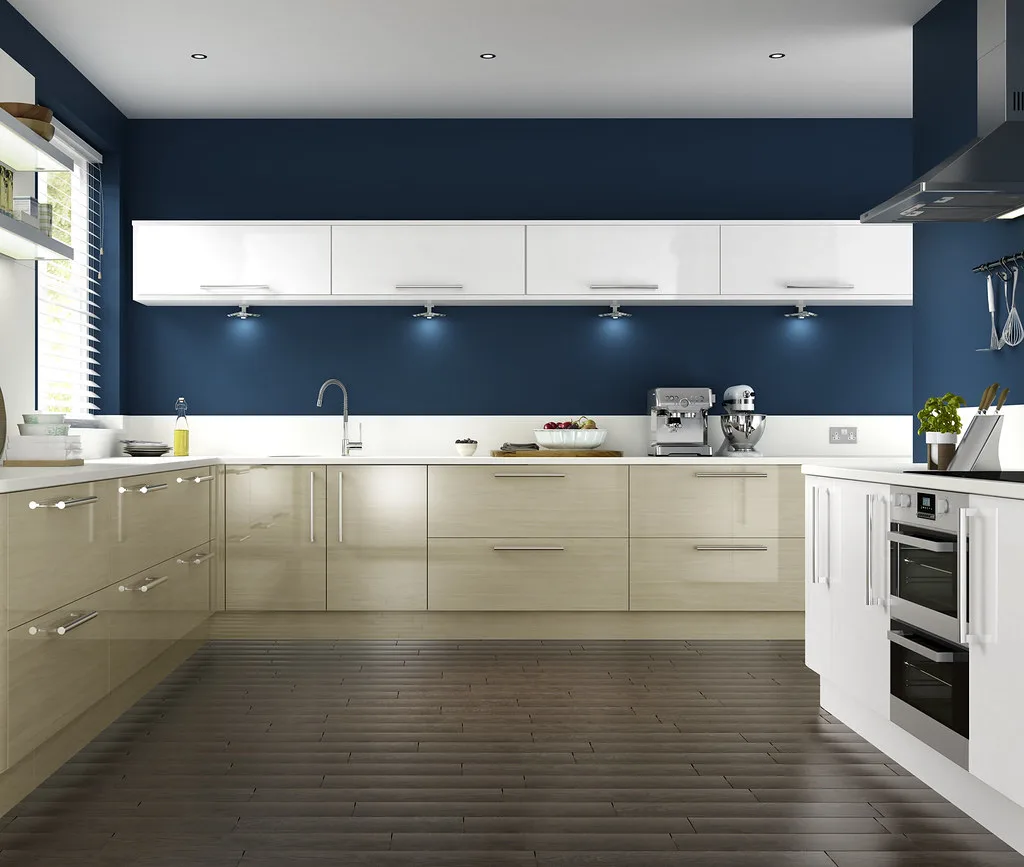
Navy Kitchen Ideas: Blue, Teal and Cobalt Cabinet Designs
Navy kitchen ideas that work: the best blue cabinet shades, worktop and hardware pairings, and how to use navy, teal and cobalt without dating the room.
Read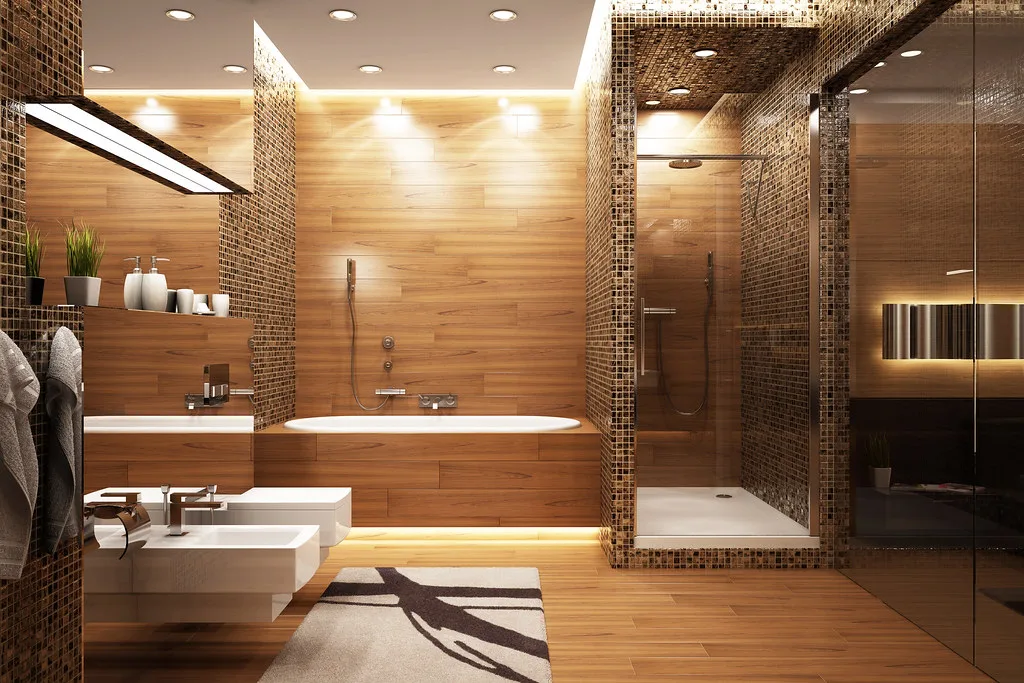
Gold and Brass Bathroom Accessories: How to Style Warm Metallics
How to choose and style gold bathroom accessories and brass fittings, from brushed vs polished finishes to mixing metals and avoiding tarnish.
Read